
But a wet stem doesn't automatically mean bad packing. The source could be loose packing, a worn stem, a damaged stuffing box, or a gasket or body-joint leak that has tracked toward the stem.
This article covers the common causes, how to diagnose a leak safely, how adjustment, repacking, and engineered online repair compare, and when to bring in a specialist.
Key Takeaways
- Packing leaks come from lost compression, thermal cycling, wear, installation errors, or damaged valve parts.
- Don't reflexively tighten the gland. Overtightening adds friction and can create a new problem.
- Online repair depends on valve design, media, pressure, temperature, access, and approved safety procedures.
- Confirm the leak is conventional stem packing before choosing a provider.
What Valve Packing Is and How It Seals
What is valve packing?
Valve packing is braided material, formed rings, or another engineered sealing arrangement compressed around the valve stem inside the stuffing box. It limits fluid or gas from escaping along the stem while the stem still moves.
How the packing seal works
A gland or follower applies axial load. The packing responds by pressing radially against the stem and the stuffing-box wall. According to the Fluid Sealing Association, stem movement creates friction. Excessive friction wears the stem and packing, extrudes packing, and raises actuator torque.
So the balance is narrow:
- Too little compression lets fluid pass.
- Too much compression raises friction, speeds wear, and can interfere with actuation.
Packing materials and application fit
Graphite, PTFE, aramid, and rubber-based products each suit different media, pressures, temperatures, stem motion, and emissions requirements. Ratings are product-specific.
One manufacturer's graphite style may be rated for very high temperatures in steam, while another product is not. Always check the valve manufacturer's specifications and the packing maker's valve-specific literature. Don't carry pump ratings over to valves.
Common Causes and Warning Signs of Valve Packing Leaks
Loss of packing compression
Packing relaxes, wears, shrinks, and settles. Contact pressure around the stem drops and leakage starts. A small, controlled gland adjustment can be a legitimate response, but only when the OEM procedure and site safety plan allow it.
Thermal cycling, vibration, and repeated operation
Temperature swings expand and contract the stem, bonnet, gland, and packing at different rates. Vibration and frequent cycling wear packing and loosen hardware. Watch for these patterns:
- Leaks that appear only at operating temperature
- Intermittent weeping
- Packing that needs repeated adjustment
Damaged or unsuitable valve components
New packing can't seal against a bad surface. Watch for:
- Pitted, scored, corroded, or bent stems
- Damaged stuffing boxes
- Distorted glands and worn fasteners
- Misalignment
Garlock's product manual calls for a clean, smooth stem and box free of burrs, pitting, scoring, and corrosion. Repacking alone won't fix a leak when the sealing surfaces are defective.
Incorrect packing selection or installation
Early leakage often traces to:
- Incompatible packing material
- Wrong cross-section or ring count
- Poor ring cuts or aligned joints
- Dirty stuffing box
- Uneven gland take-up
Packing isn't interchangeable. Trained installation and application-specific selection matter.
Signs the problem is bigger than packing
Stop treating it as routine adjustment if you see:
- Rapid leak growth, spraying, or misting
- Abnormal temperature
- Visible stem damage
- Unusual operating torque or a seized valve
- Crystallized media
- Leakage from the bonnet, flange, body, drain, or connected piping
Escalate to operations, maintenance, engineering, or safety personnel.

How to Diagnose a Packing Leak Safely
Start with a hazard review
Before anyone inspects or repairs anything, review process and energy hazards:
- Media, pressure, temperature, toxicity, flammability, and corrosiveness
- Emissions obligations, energy sources, and what happens if the valve moves
Permits, PPE, gas monitoring, lockout/tagout, isolation, depressurization, draining, and purging must follow facility procedures and OEM requirements. OSHA's lockout/tagout standard covers energy control for servicing, though its scope has exclusions, so confirm how it applies to your installation.
Confirm the leak location
Begin with visual examination and approved leak-detection methods. Work outward from the stem and gland to the bonnet, flange, body, drain, instrument, and piping connections.
Residue and fluid tracks can mislead. Confirm the source before you tighten, inject, or replace anything.
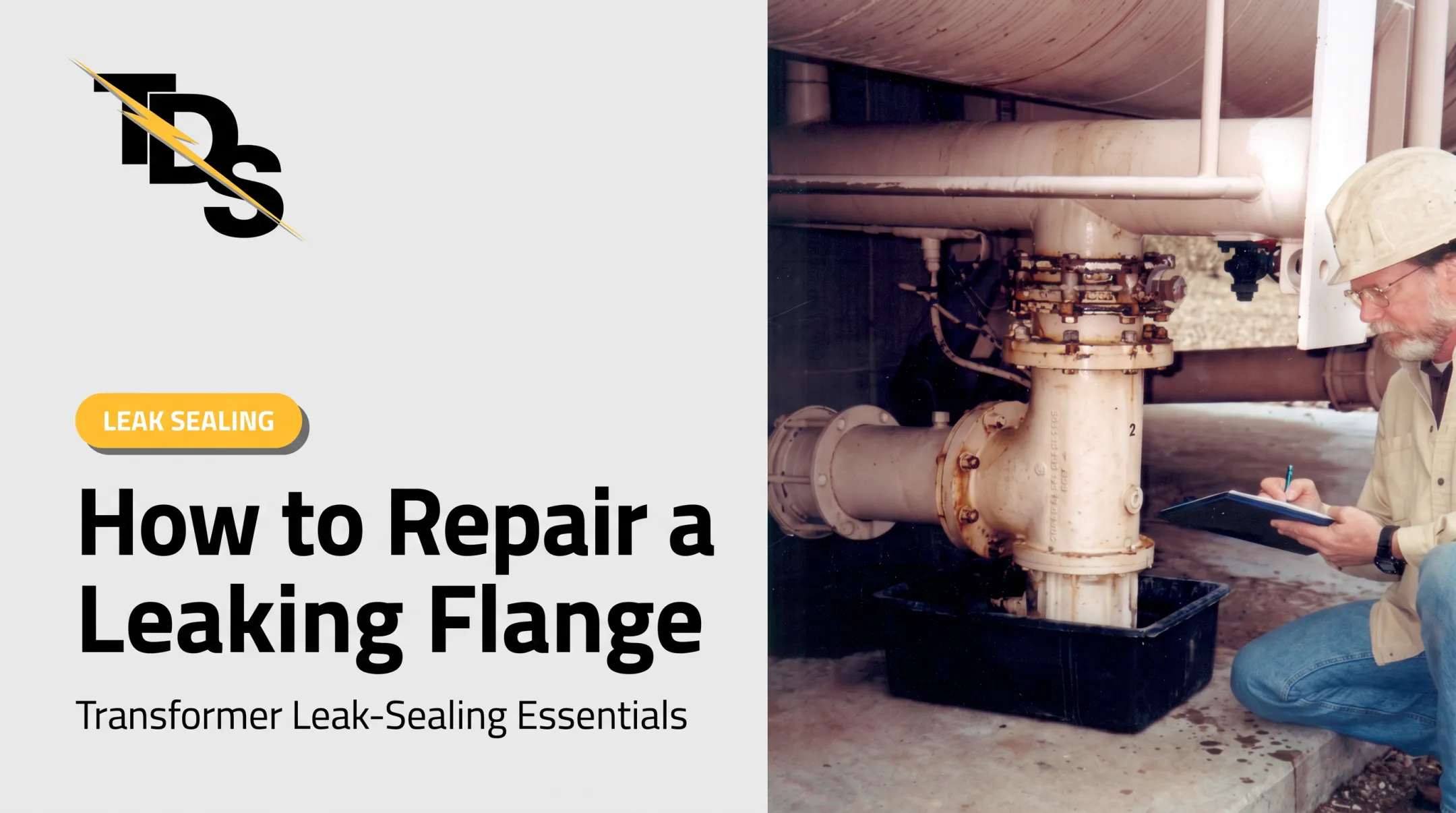
For example, on transformer 4-bolt flapper valves, oil can come from the flange gasket, the stem, or both. Transmission & Distribution Services (TDS) technicians clean the whole valve assembly and spray on an oil leak detector. Oil darkens it at the flange split line and around the stem packing, showing which locations are actually leaking.
Assess packing and valve condition
Qualified personnel should check:
- Gland position and exposed stem condition
- Hardware condition and corrosion
- Evidence of prior over-tightening or packing extrusion
- Whether the valve still strokes normally
Review maintenance history too: past adjustments, packing material, operating cycles, temperature changes, and earlier repair attempts.
Per Emerson's Fisher manual, continued leakage after adjustment may point to a worn or nicked stem. Leakage at the packing's outside diameter may point to a damaged box wall.
Decide whether the valve can stay in service
The answer depends on:
- Leak rate and trend
- Process hazard
- Valve function, criticality, and redundancy
- Access, operating torque, and the cost of a failed repair
"Online" does not mean risk-free. It is not automatically appropriate for an energized, pressurized, or hazardous system.

Document the decision
Record before any work:
- Equipment ID, valve type and size, and service conditions
- Leak source, symptoms, and photos where permitted
- Proposed method and isolation requirements
- Verification plan and the approving personnel
Get engineering or manufacturer review when the valve is safety-critical, emissions-regulated, hard to isolate, or visibly damaged.
Valve Packing Repair Options, Including Online Repair
Controlled gland adjustment
A small, measured adjustment can temporarily restore compression when packing and valve are otherwise serviceable. Qualified personnel should do it per the manufacturer's procedure.
Avoid repeated or uneven tightening, which risks stem friction, restricted travel, scored stems, damaged packing, and a false sense that the problem is solved.
Repacking during an isolated outage
This is the conventional path:
- Isolate and depressurize under the approved plan, and drain the media.
- Remove the old packing.
- Clean and inspect the stem and stuffing box, and correct damage.
- Install compatible packing one ring at a time, staggering joints at least 90 degrees.
- Restore compression gradually, cycling the valve between stages.
- Function-test, check for leakage, and document material and installation details.
Engineered online leak repair
Online repair is a controlled intervention done without fully removing equipment from service. The method, materials, access, containment, and risk assessment must suit the specific application. Approaches can include approved gland adjustment or engineered external sealing methods such as injection. None is a universal substitute for repacking.
Evidence for online repair is more conditional than for routine repacking. NRC guidance for ASME Class 1 and 2 nuclear components, for instance, treats online sealing of packing leaks as a temporary measure and calls for risk assessment, sealant-contamination review, and confirmation of stem travel afterward.

When online repair is not appropriate
Plan on isolation, depressurization, component repair, or replacement when you face:
- Severe or rapidly worsening leakage, or a hazardous release
- A damaged stem or stuffing box, or a seized valve
- An unconfirmed leak source
- Inadequate access or incompatible repair materials
- A safety-critical valve that can't be reliably tested
Treat containment as temporary, not corrective. Pair it with a follow-up plan for permanent repair.
Choosing the right provider and method
Evaluate:
- Technical competence and experience with your valve and process
- Material compatibility and documented procedures
- Safety credentials and site approvals
- Inspection and verification practices
- Insurance, warranty terms, and fit with your outage plan
Ask for a written scope naming the leak location, proposed method, operating limitations, acceptance criteria, and who is responsible if the leak persists.
Where TDS's online leak-sealing service may fit
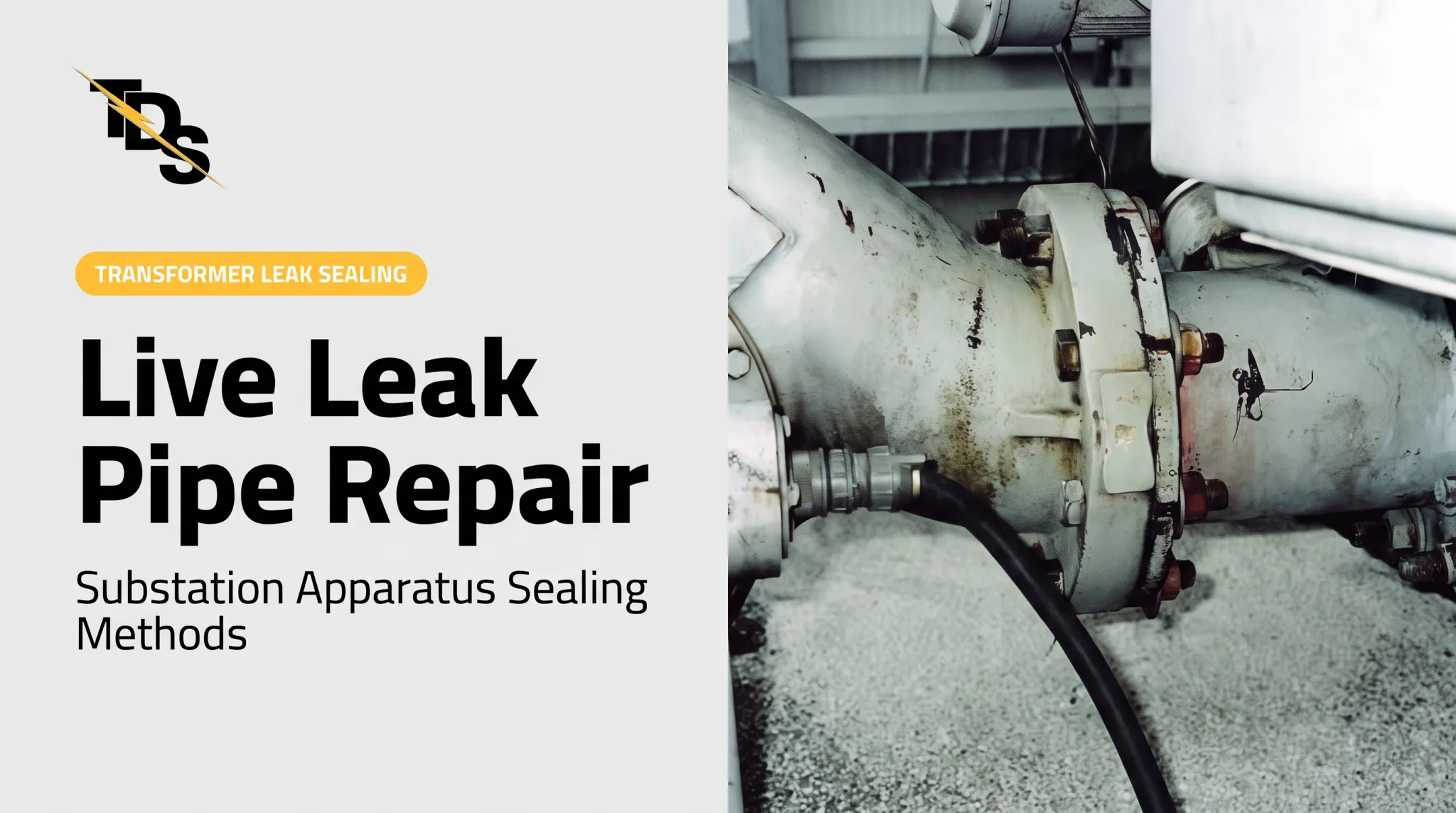
TDS focuses on low-pressure leak sealing for oil-filled and SF6 gas-filled substation apparatus: transformers, circuit breakers, and GIS systems. That is distinct from routine valve-stem packing replacement in process plants.
Within that niche, TDS repairs packing leaks on transformer oil-flow-control valves, such as 4-bolt flapper and 8-bolt butterfly valves, where packing has deteriorated and the packing nut can no longer hold compression. Traditional repair replaces the packing and may require draining the main tank or pulling a vacuum.
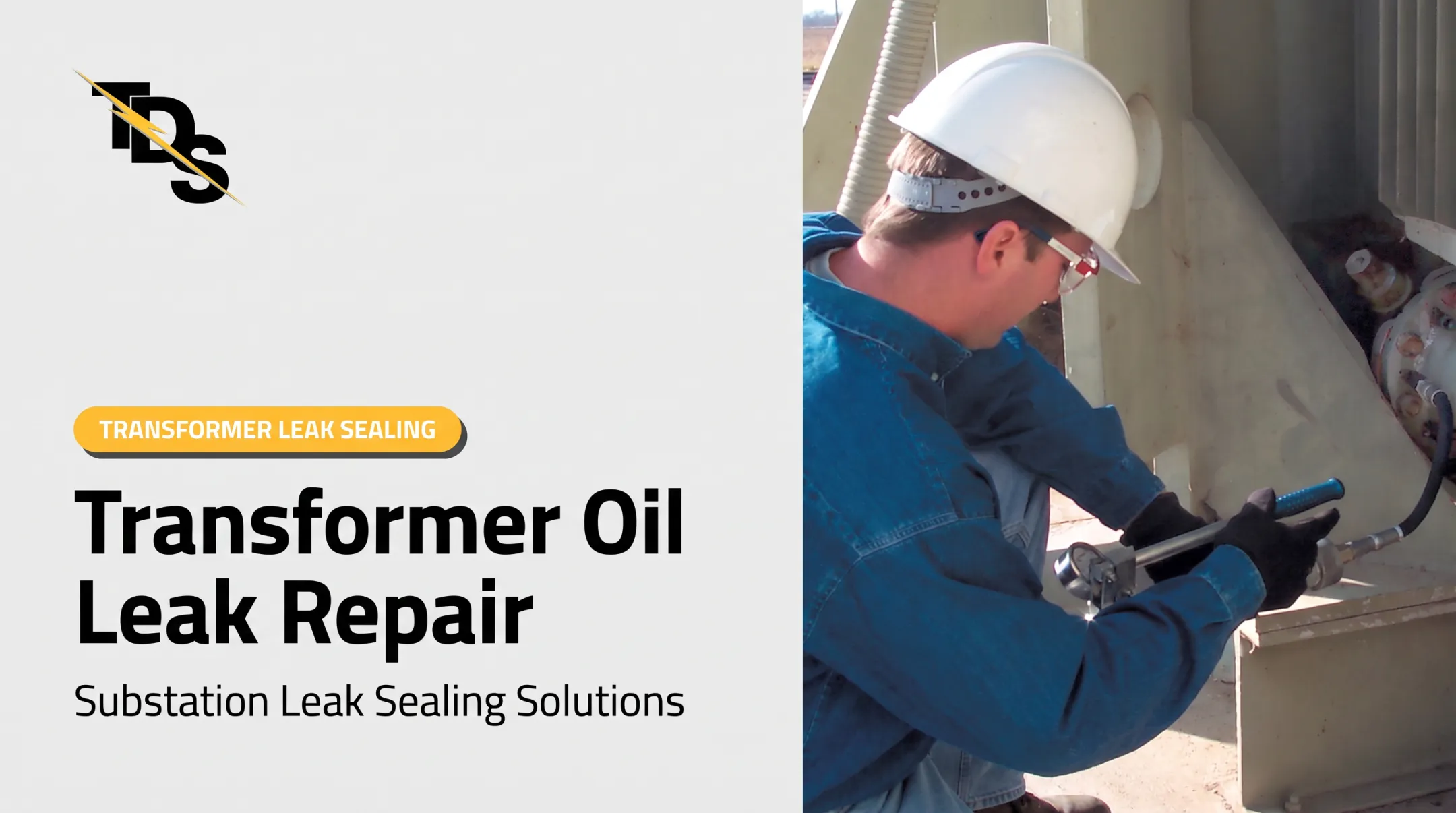
TDS instead drills and taps the failed packing area, installs a temporary injection valve, and injects a nonadhering, rubber-based sealant until the void is filled.
Many of these repairs avoid dismantling equipment and, when conditions allow, can be done while apparatus stays energized. That depends on equipment type, leak location, site conditions, and safety approval.
For a suspected substation apparatus leak, a free equipment survey is a reasonable next step. It identifies the equipment, leak location, repair method, and price before work proceeds.
Preventing Repeat Leaks and Knowing When to Call a Specialist
Preventive maintenance practices
- Schedule visual inspections and approved leak-detection checks
- Keep trend records of leak rate and adjustments
- Inspect stems and glands regularly
- Review valves that keep needing attention
- Correlate leaks with temperature cycling, actuation frequency, vibration, process changes, and earlier packing materials
Fisher bases inspection and replacement on wear and service severity, not a fixed calendar.
Match the repair to the failure mechanism
More tightening is rarely the cure. Preventing recurrence may require:
- Better packing selection
- Corrected installation
- Repaired stem or box surfaces
- Improved gland hardware
- Live loading for cycling services
- Reduced vibration
- A revised maintenance interval
Review recurring failures with engineering, the OEM, or a qualified sealing specialist.
Escalation checklist
Call a specialist when the leak involves:
- Hazardous or regulated media
- Energized or pressurized equipment
- Fugitive-emissions concerns
- Critical power equipment
- An unknown leak location
- Repeated failed repairs or damaged components
- A system you can't safely isolate
The lowest-downtime option isn't necessarily the safest. The repair must protect people, equipment reliability, environmental compliance, and process continuity.
Frequently Asked Questions
What is valve packing?
It's compressed sealing material installed around a valve stem. It limits fluid or gas leakage while allowing controlled stem movement.
How often should the packing on a gate valve be replaced?
Base it on condition, leakage, packing relaxation, operating history, and manufacturer or site guidance. OEM guidance does not define a universal calendar interval.
What causes valve packing to leak?
Common causes are compression loss, thermal cycling, vibration, wrong material or installation, stem damage, stuffing-box problems, and normal wear.
Can you repair a leaking valve without shutting down the system?
Some controlled online methods may work after a qualified risk assessment. Hazardous, severe, inaccessible, or component-damage conditions may require isolation and depressurization.
Should you tighten valve packing when it starts leaking?
Only qualified personnel should, under the applicable procedure. Overtightening can increase friction, damage the stem, restrict operation, and hide a larger problem.
How can you tell whether a leak is from valve packing or another component?
Confirm the source at the stem and gland versus the bonnet, flange, body, drain, instrument, or connected piping. Clean the area and apply a leak-detection method before choosing a repair.