
Introduction
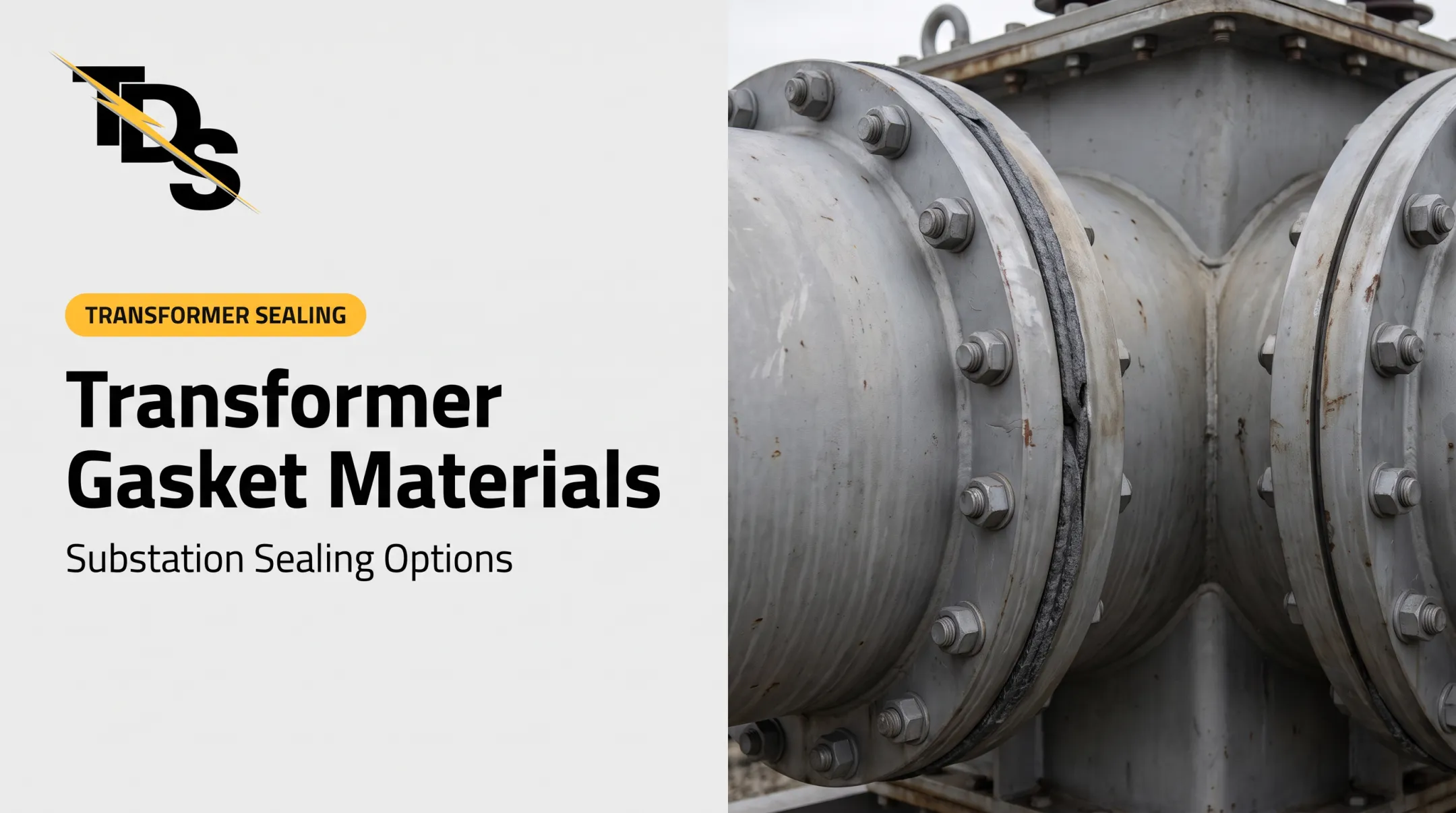
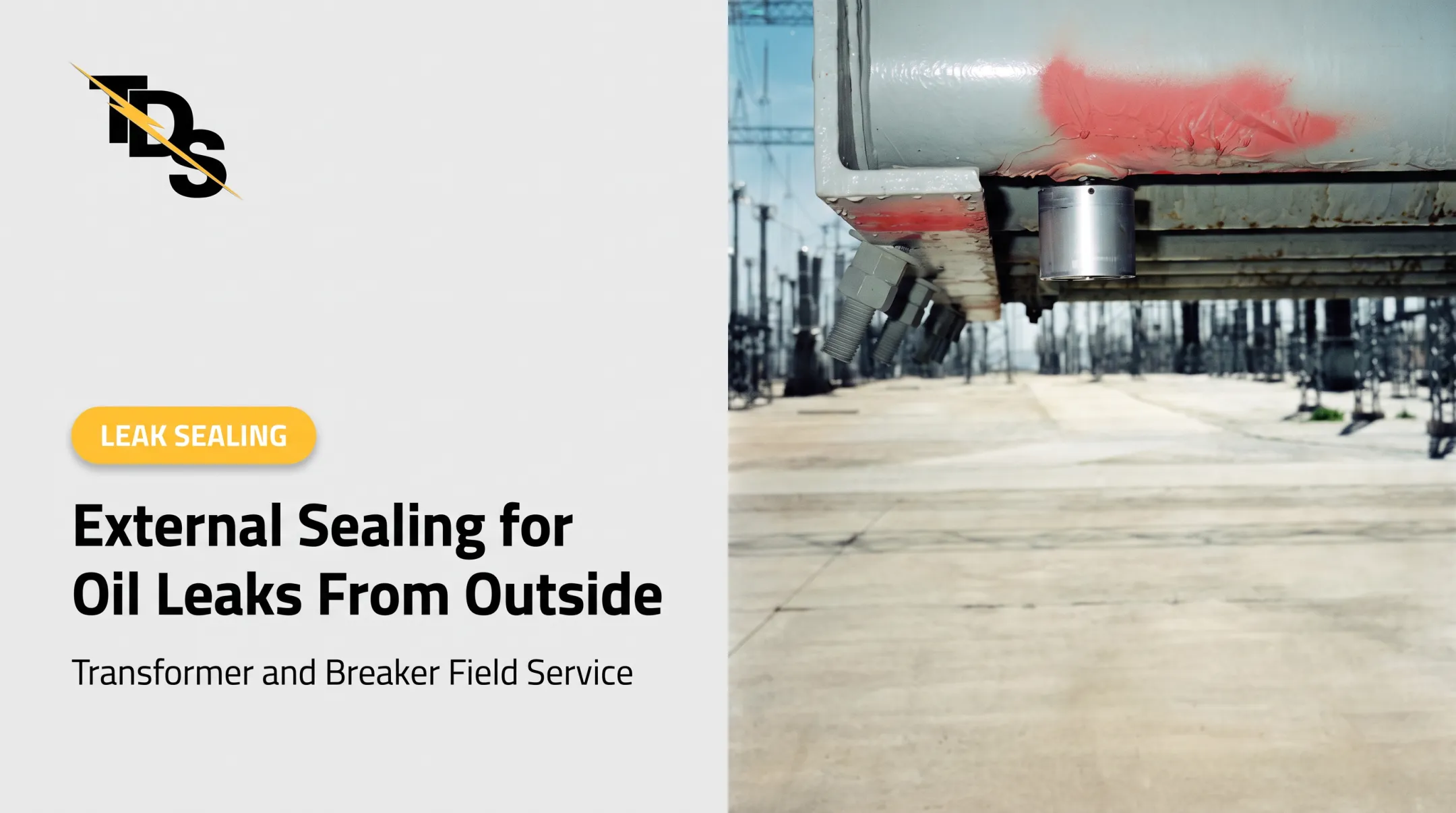
A weeping flange on a substation transformer rarely stays small. Oil loss, moisture ingress, and environmental exposure all grow with time, and a quick fix chosen for the wrong leak can fail within months.
Epoxy and injectable sealant both promise fast repairs, but they solve different problems. Epoxy bonds and patches a surface. Injectable sealant fills the path between mating surfaces.
The stakes are real. The EPA's SPCC rule applies to facilities with more than 1,320 gallons of aggregate aboveground oil capacity, and oil-filled electrical equipment of 55 gallons or more counts toward that total. A leaking transformer can pull a utility into compliance obligations, outage planning, and cleanup costs.
This guide compares both methods and shows when each fits.
Key Takeaways
- Epoxy suits stable, accessible, properly prepared surfaces, not active gasket-interface leaks.
- Injectable sealant targets leaking gaskets and joints, but oil compatibility must be verified.
- Choose by leak location, movement, access, outage limits, and OEM requirements, not material price.
- A qualified assessment decides between low-pressure repair, epoxy, teardown, or replacement.
Epoxy vs Injectable Sealant for Oil Leaks: Quick Comparison
| Factor | Epoxy | Injectable sealant |
|---|---|---|
| Chemistry | Usually two-part resin that cures rigid | Several chemistries; not automatically epoxy |
| Objective | Surface bond, patch, or rigid fill | Seal the path between mating surfaces |
| Best leak type | Stable, accessible defect | Gasket or joint interface |
| Surface needs | Prepared, sound substrate | Injection access, compatible product |
| Downtime | May require cleaning, exposure, cure time | Can reduce disassembly when conditions allow |
| Movement | Rigid bond may crack; leak can shift nearby | Pliable compounds can tolerate movement |
Composition and curing
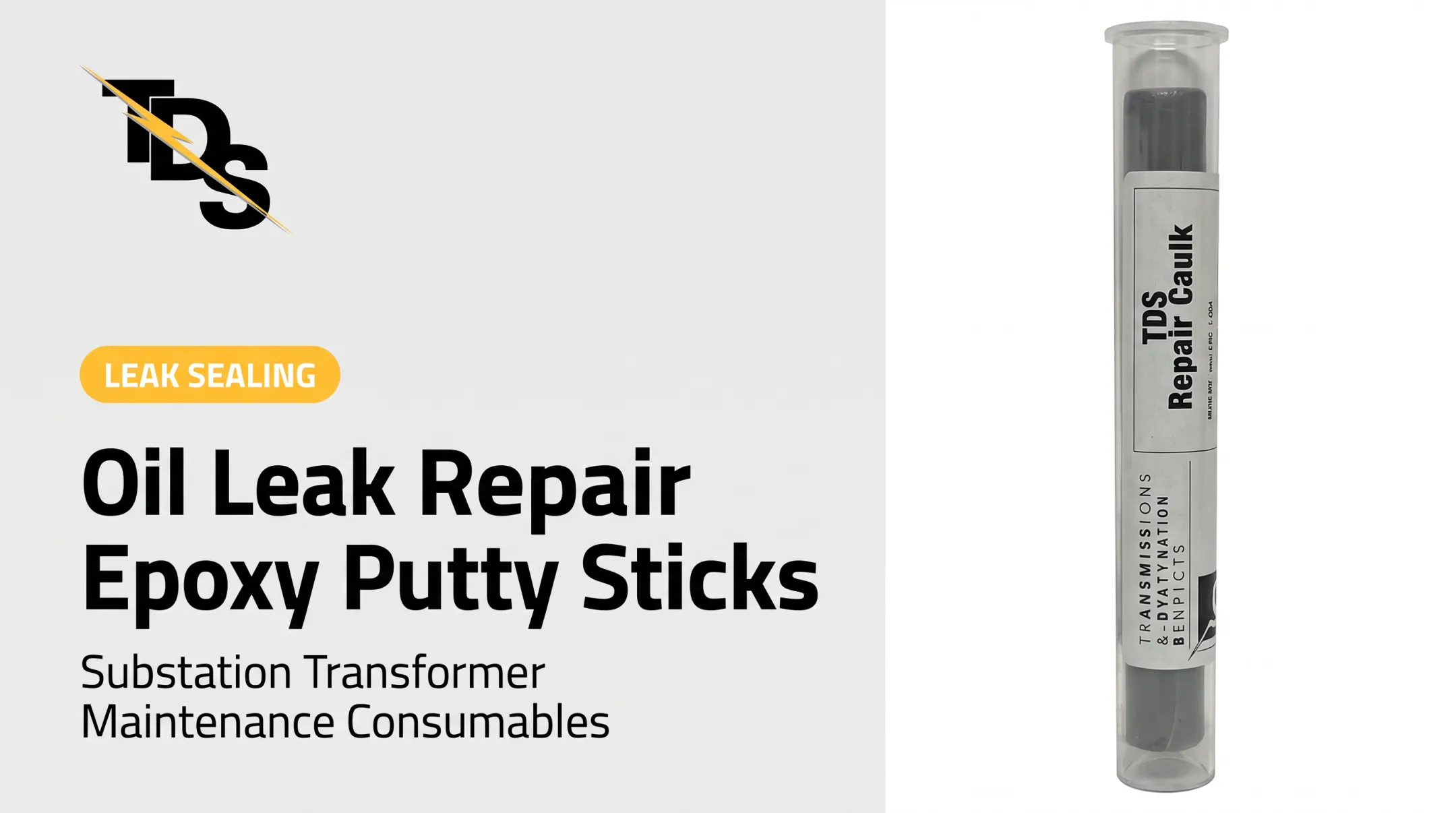
Epoxy is generally a two-part resin that cures into a hard, adhesive solid. Belzona 1212, for example, is a two-part epoxy composite. Working life is short once mixed: 9 minutes at 20°C (68°F) and 4 minutes at 40°C (104°F). Always confirm cure requirements and oil resistance for the exact product.
"Injectable sealant" covers several chemistries. Some are rubberized epoxy, others are not. Transmission & Distribution Services (TDS) uses a proprietary rubber-based, non-adhering, compressible gasket sealant compound. It is injected and cures in place as replacement gasket material.
Surface condition and movement
Oil, residue, moisture, corrosion, and poor preparation weaken epoxy adhesion. Some products tolerate wet or oily metal, but they still need a sound, cleaned surface. Others require clean, dry, roughened substrates.
Movement matters too. Bureau of Reclamation guidance identifies expansion, contraction, vibration, and cooling-related shrinkage as gasket-seal demands. A rigid patch can crack under that cycling, and the leak may reappear beside it.
Access, downtime, and cost
Epoxy often means cleaning the area and waiting through cure. Depending on the defect, it may also mean draining oil.
Injection can cut disassembly and reassembly. TDS reports that a 4-bolt flapper-valve repair avoids draining and radiator-bank removal and usually takes two hours. Bottom connections can often be sealed while the equipment stays energized. Upper leaks near bushings may need de-energizing and grounding.

Energized work depends on site procedures, risk assessments, and qualified personnel.
Total cost goes beyond materials:
- Oil handling and cleanup
- Teardown and reassembly labor
- Outage impact
- Repeat repairs
- Environmental reporting
TDS states its sealant will not adversely react with transformer oil or SF6 gas and carries a four-year leak-seal warranty. That is a company-specific offer, not an industry standard.
What Are Epoxy and Injectable Sealants for Oil Leaks?
What Is Epoxy?
In oil-leak repair, epoxy is a cured resin bond or patch. It is not a replacement gasket. Done right, it offers strong adhesion, rigid gap filling, and localized repair.
The conditions are strict: a clean, compatible, stable substrate and a controlled cure.
Use Cases of Epoxy
Epoxy fits a stable, accessible external defect where a rigid bond makes sense and the manufacturer or engineer approves it.
EPRI's maintenance guide describes solvent cleaning and quick-setting epoxy for small leaks in steel fin radiators, but labels the fix as temporary.
Documented field examples are limited and come from manufacturers:
- POWER magazine (Belzona engineer): 11-kV transformer lid gasket patched with Belzona 1831 after abrasive blasting, without draining oil; durability not reported
- ENECON: Los Angeles utility sealed a transformer top-flange leak with DurAlloy for about $500 in material and a few days of labor (undated; outage and recurrence not reported)
Treat both as manufacturer examples, not independent benchmarks.
What Is Injectable Sealant?
Injectable sealant is both a material and a method. It introduces sealant into a leaking interface, gasket area, or defined leak path. Chemistry, viscosity, cure profile, and oil compatibility vary by product.
TDS applies low-pressure, cured-in-place gasket repair. It drills and taps into the gasket groove, injects sealant with a hydraulic gun, and replaces OEM gasket material without traditional disassembly where conditions allow.
Where sealant cannot travel the groove, TDS measures and designs a clamp around the flange split line.
Use Cases of Injectable Sealant
Typical targets are oil-filled transformers and oil circuit breakers: pipe flanges, bushing flanges, and drain valves. The workflow runs as follows:
- Confirm the leak (TDS cleans the flange and sprays oil leak detector, which darkens at a leaking split line).
- Identify the component.
- Assess safety and operating conditions.
- Prepare the area.
- Inject at controlled low pressure.
- Verify the seal.
- Document the repair.

Safeguards apply:
- Confirm oil compatibility
- Follow OEM and site procedures
- Account for pressure and temperature
- Use qualified technicians
OSHA 1910.269 sets requirements for work near exposed energized equipment, including approach distances and job briefings. Independent utility case data on low-pressure injection outcomes is scarce, so rely on documented vendor warranties and site review.
Epoxy vs Injectable Sealant: What Is Better?
Neither option wins in every case. Match the method to the defect: surface damage, gasket-interface failure, crack, corrosion, or broader structural issues.
Choose epoxy when:
- The leak sits on a stable, accessible, prepared surface
- A rigid bond suits the defect
- Oil contamination can be controlled
- The manufacturer or engineer approves the product
Choose injectable sealant when:
- The leak is at a gasket or joint interface
- Teardown would mean substantial downtime
- The compound is verified oil-compatible
- Conditions allow a controlled low-pressure repair
Choose neither when:
- Tank damage, severe corrosion, or structural failure exists
- Operating conditions are unsafe
- Internal damage is extensive
- The leak needs teardown, replacement, or a planned outage
EPRI notes that deteriorated gaskets call for replacement, and severe leaks may require draining the tank.
Decision checklist
- Where is the leak, and is access adequate?
- Is the surface oily or wet?
- How much thermal cycling and vibration occurs?
- Is the equipment energized, and at what pressure?
- Is oil compatibility documented, and what do OEM requirements say?
- What environmental controls and warranty terms apply?
- What does a repeat failure cost?
Real World Examples/Case Studies
The best-documented epoxy example is the ENECON Los Angeles flange repair above. It shows a low-cost top-flange fix, but not outage avoidance or long-term durability.
On the injection side, TDS's standard offering begins with a free substation survey. Representatives survey transformers and oil circuit breakers and document and photograph each leak. The survey spreadsheet lists:
- Substation location
- Equipment surveyed
- Leak description
- Repair method
- Itemized repair cost
- Outage requirements
A gasket-interface leak on critical equipment may justify a low-pressure injection assessment, because a rigid surface patch would not address the actual leak path.
A free TDS equipment survey identifies the facility, apparatus, leak location, repair method, and price. TDS states customers do not pay for sample repair work if it cannot fix the leak.

Conclusion
Epoxy may fit a stable, accessible, properly prepared defect. An oil-compatible injectable sealant may better address a leaking gasket or joint, especially where reducing disassembly and downtime matters.
Select the material based on a qualified assessment of the apparatus, leak path, operating conditions, compatibility, and safety requirements. TDS's first step is confirming the exact leak location and fixing only what is leaking.
Frequently Asked Questions
What is the difference between epoxy and sealant?
Epoxy is a rigid adhesive or patching material. Injectable sealant is a product category and repair method that seals a defined interface or leak path.
How long do epoxy injections last?
Service life depends on chemistry, surface preparation, oil exposure, temperature, movement, and application quality. There is no universal lifespan, so check the manufacturer's data for your product.
What surfaces will epoxy not stick to?
Oily, wet, loose, corroded, or dirty surfaces can defeat adhesion. Exact limits depend on the product's technical data sheet and preparation requirements.
Can epoxy be used to stop an oil leak on a transformer?
Sometimes, for stable, accessible defects. It is not automatically right for an active gasket leak or oil-contaminated surface, so verify compatibility and get a qualified assessment.
Can injectable sealant be applied without taking equipment out of service?
Some low-pressure repairs can be done without traditional disassembly, even energized, when conditions allow. This requires site-specific safety, OEM, and qualified-technician review.
How do I choose between epoxy and injectable sealant for an oil leak?
Evaluate leak location, substrate condition, oil compatibility, movement, equipment status, outage consequences, and manufacturer requirements before choosing.