
Introduction
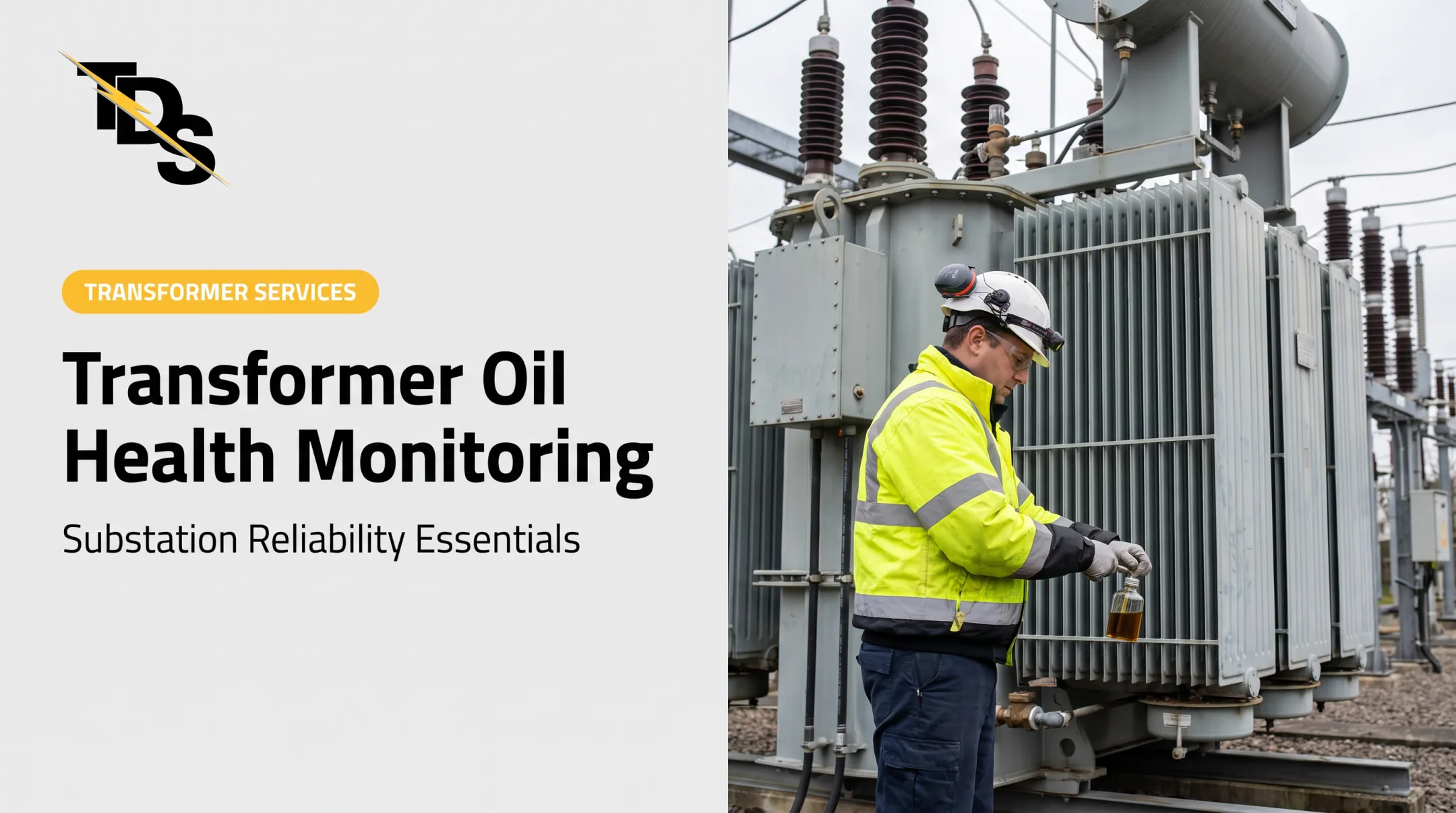
Oil in a hermetically sealed transformer does two jobs: it insulates energized parts and carries heat away from the core and windings. The sealed tank keeps out most moisture, oxygen, and airborne contamination.
That protection is real, but it has limits. Sealed construction cuts out breather servicing and routine oil-level adjustment.
It does not stop oil aging from heat, overloading, or electrical stress. It does not stop gaskets from failing either, and a leak is how air and moisture get in.
This guide covers why oil maintenance matters, the four maintenance types, warning signs, sampling limits, scheduling, and how to respond to leaks.
Key Takeaways
- Sealed oil still degrades from heat, overloading, electrical stress, or a compromised seal.
- Routine work centers on external condition, temperature, gauges, bushings, and leaks.
- Don't open the tank, sample, top up, or mix fluids without OEM or specialist approval.
- Set a risk-based schedule from OEM instructions, criticality, loading, and site conditions.
Why Maintenance of Transformer Oil Is Important
What the oil does and what sealing can't prevent
Oil provides dielectric insulation between energized components and moves heat to the tank walls or cooling surfaces. Siemens Energy notes that corrugated tank walls in hermetic designs absorb oil expansion, and some units add an air or gas cushion.
Sealing reduces oxygen and moisture ingress. It cannot prevent damage from within. According to the IEEE C57.91-2025 guide, loading above nameplate can damage insulation, generate gases in the oil, and shorten transformer life.
The documented failure path for a breach is simple: leak, then air and moisture entry, then paper and fluid degradation. Howard Industries' instruction manual describes exactly this sequence.

Reliability, safety, and environmental exposure
Oil loss matters for reliability. Less oil means less cooling and thinner insulation margins, and that raises the odds of an unplanned outage.
Leaks also create hazards:
- Oil on walking surfaces is a slip hazard, and OSHA's 29 CFR 1910.22 requires surfaces free of leaks and spills.
- Oil can contaminate surrounding materials and soil.
- Facility SPCC rules generally cover aboveground oil storage over 1,320 US gallons, counting containers of 55 gallons or more
- Transformers count as oil-filled operational equipment, not bulk storage containers
- A sheen on water requires immediate notification to the National Response Center (800-424-8802), regardless of volume.
- Used oil removed from service falls under 40 CFR Part 279 handling rules.
Check with your environmental compliance group for how these apply to your site.
Cost of acting early
Site-specific costs for outages, cleanups, and replacements vary too widely for a single dollar figure to apply. The qualitative case is clear, though. A small leak found on a walk-around is a scheduled repair. The same leak left alone can become an emergency outage, a cleanup, and possibly a replacement.
Regulatory exposure is part of the picture too. EPA inspections ask whether a utility documents its oil leaks and has an action plan to repair them.
Types of Maintenance for Transformer Oil
Oil maintenance on a sealed unit isn't one-size-fits-all. External inspection is the default. Sampling, oil processing, and tank opening need specific equipment, authorization, and manufacturer guidance.
Routine / Preventive Oil Maintenance
Scheduled checks should cover:
- Tank, corrugated walls, and radiators
- Bushings and grounding
- Pressure-relief device and temperature indicators
- Accessible fittings
- The ground and pad beneath the unit for oil residue
The goal is to preserve the seal, not disturb it. Skip unnecessary opening, topping up, and fluid handling.
Record readings, photographs, weather, load, and any change from baseline. Howard's manual calls for periodic inspection and gauge checks even though sealed-unit accessories generally need no servicing.
Corrective / Reactive Oil Maintenance
Common triggers include:
- Active or suspected leak
- Unusual pressure
- High oil or winding temperature
- Alarms or protection operation
- Tank damage or suspected contamination
A safe response runs in this order:
- Protect personnel and follow switching and isolation procedures.
- Control any spill.
- Confirm the leak source.
- Decide whether the unit can stay in service.
- Bring in a qualified transformer specialist.

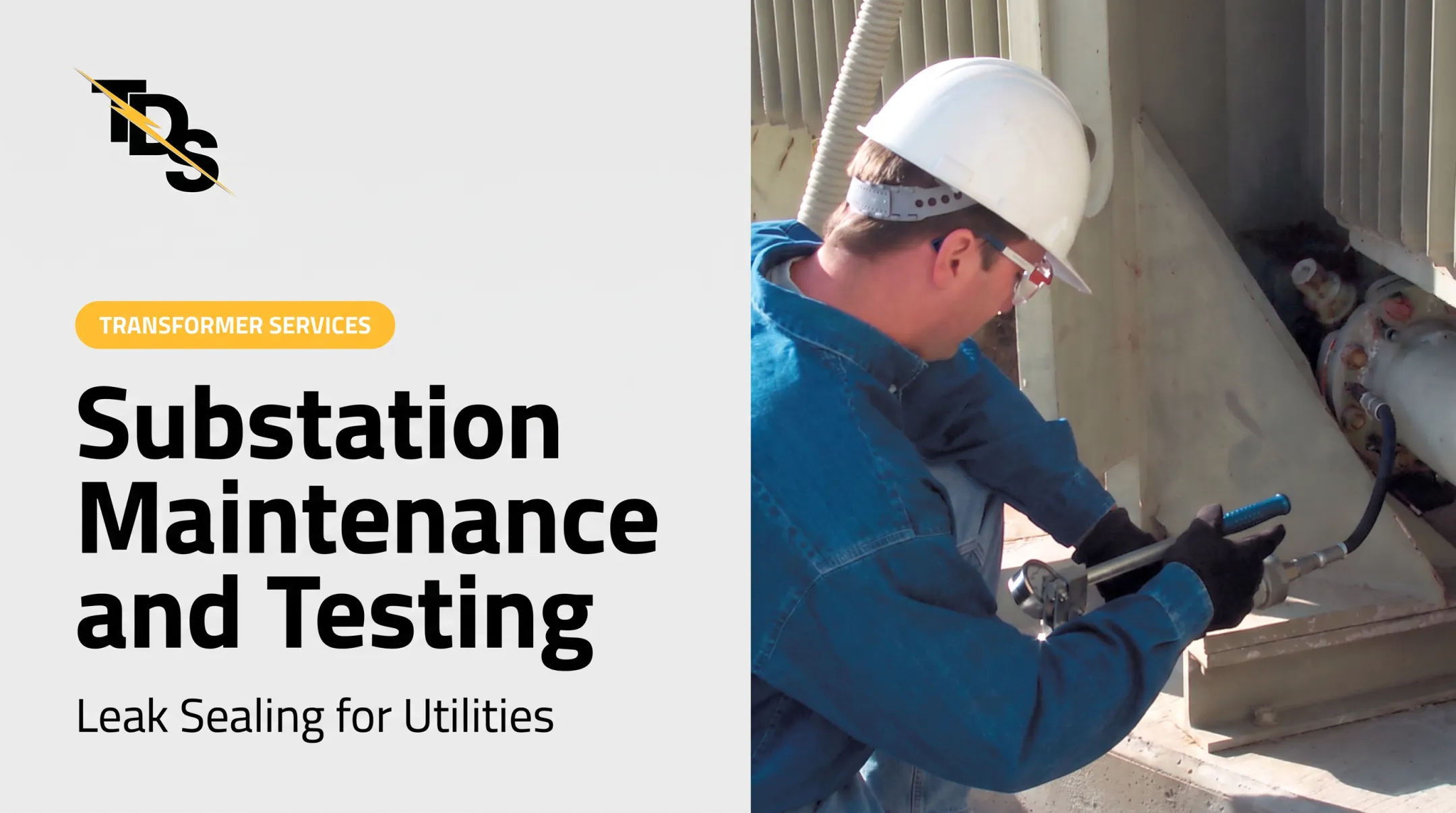
Transmission & Distribution Services (TDS) works exclusively in substations and offers low-pressure leak sealing as a possible alternative to traditional teardown. Technicians confirm the exact leak location first and repair only the leaking component. The cured-in-place gasket replaces failed OEM gasket material, and many repairs can be done in service when conditions allow. Whether that fits depends on the equipment and leak conditions.
Predictive / Condition-Based Oil Maintenance
Predictive work typically covers:
- Infrared thermography
- Temperature and load trending
- Pressure or oil-level trends where instrumented
- Comparison with commissioning records
- Review of alarms and protection events
AMETEK LAND identifies transformer contacts and field connections as thermal monitoring targets.
Oil sampling and dissolved gas analysis (DGA) have limits on sealed units. A sample valve, a gas space, and a fully filled flexible tank are different configurations. Sample only through an approved provision and procedure, never by breaching the tank in the field. Howard's own instructions require de-energization, grounding, and bottom-of-tank sampling for its configuration, which doesn't carry over to other designs.
Major / Overhaul Maintenance
Oil processing, fluid replacement, internal inspection, factory repair, or replacement come into play after:
- Confirmed internal fault
- Severe contamination
- Major seal compromise
- Repeated overheating
Opening a sealed tank can compromise its design and may require specialized re-sealing or factory-level work. Don't treat it as routine field maintenance.
Weigh the options against each other:
- Monitor: suits low-consequence findings with stable trends
- Specialized repair: suits a localized leak
- Factory service: suits internal damage or major seal compromise
- Replace: suits repeated failures or critical units with poor test results
Criticality, outage consequences, test findings, and OEM recommendations drive the decision.
How to Check If Transformer Oil Needs Maintenance
Treat this as an early-warning review. Any internal electrical testing, energized inspection, or oil handling belongs to qualified personnel working under the site safety program.
Operating Temperature and Load Changes
Rising oil or winding temperature, temperature alarms, or a trend that no longer matches load can point to restricted heat transfer, overloading, low oil, or an internal problem. Compare readings with OEM limits and history. No universal alarm temperature applies across designs.
Pressure and Oil-Level Indicators
Read gauges against oil temperature and the transformer's design. Oil level normally rises with temperature. A negative pressure reading can be normal on a cold, lightly loaded, or de-energized unit.
A pressure-vacuum gauge stuck at zero across changing load and ambient conditions is worth a leak check. An unusually low level also calls for a leak check first. Don't assume every change means adding oil. When topping up is approved, use the same fluid type shown on the nameplate.
Visible Leakage or Physical Deterioration
Look for:
- Oil staining, wet seams, and drips
- Residue around bushings or fittings
- Tank corrosion or abnormal bulging
- Damaged corrugated walls
TDS attributes many leaks to gaskets at end of life, defective material, or poor installation. Temperature probes, liquid level gauges, and tap changers are common leak-prone penetrations.
TDS Oil Leak Detector Spray (boxes of twelve 7 oz cans) darkens where oil is present. TDS Transformer Cleaner (cases of six 1-gallon containers) helps prep surfaces. Use both only per site and product procedures.
Electrical, Protection, and Condition Signals
Escalate when you see:
- Abnormal humming or vibration
- Bushing tracking or discoloration
- Partial-discharge indications where monitored
- Unexpected relay operation or repeated alarms
- Changes in voltage or load behavior
Cleaning or refilling doesn't address these signals.
Recurring Issues or Downtime
These patterns point to a persistent seal, cooling, connection, or internal fault:
- Repeated temporary repairs
- Returning residue
- Unexplained overheating
- Nuisance trips or unplanned outages
Open a documented root-cause investigation.

Transformer Oil Maintenance Schedule (General Guidelines)
No universal interval exists. Base the schedule on the OEM manual, utility procedures, criticality, loading, climate, pollution, corrosion exposure, and available monitoring.
Howard's manual ties inspection frequency to service conditions and calls for more frequent checks under unusual conditions. NFPA 70B-2023 supports a documented maintenance program with records and corrective-action processes.
Sample Frequency Table
Treat these as starting points, not requirements.
| Frequency | Checks |
|---|---|
| Daily / per round | Visible leaks, abnormal noise, unusual temperature, alarms, site conditions, obvious damage |
| Monthly / quarterly | Trend review, thermography where required, bushing condition, grounding, pressure or oil-level indicators, documentation |
| Annual / long-term | Qualified records review, protection and temperature-device checks, OEM-recommended testing, spill-control readiness, approved oil testing or processing |
Adjusting the Schedule
Shorten intervals when units are:
- High-load, continuously operated, or frequently cycled
- Critical or remote
- Exposed to humidity, coastal air, dust, or corrosive conditions
Lightly loaded or intermittent units still need inspections. Seals, bushings, coatings, and connections deteriorate while idle.
Escalation and Records
- Immediate action: active leak, alarm, protection operation, rapid temperature rise
- Planned corrective work: slow seepage, coating damage, gauge drift
- Continued monitoring: stable readings within baseline
Each record should include the finding, operating conditions, action taken, retest result, and responsible person.
Conclusion
Hermetically sealed transformers need less routine oil intervention, but they still require care. The safest approach is to:
- Protect the seal
- Watch external indicators
- Catch leaks and thermal changes early
- Avoid unauthorized oil handling
A risk-based plan balances reliability, environmental responsibility, safety, repair cost, and uptime. When oil loss or seal damage is suspected, involve the OEM or a qualified substation leak-sealing specialist. TDS offers a free substation survey that identifies the equipment, leak location, repair method, and price.
Frequently Asked Questions
What are the best practices for preventive maintenance of transformers?
Inspect externally, monitor temperature and load, check for leaks, and examine bushings and connections. Keep records and follow OEM instructions. Don't open or add oil to a sealed unit without approval.
Are hermetically sealed transformers maintenance-free?
No. With no conservator or breather they need less routine work, but they still require periodic inspection, monitoring, leak checks, and qualified corrective work.
Can you take an oil sample from a hermetically sealed transformer?
Only if the unit has a manufacturer-approved sampling provision and procedure. Don't open the tank in the field just to get a sample.
How do you know if a hermetically sealed transformer is leaking oil?
Look for residue, wet seams, drips, staining at the tank or bushings, and abnormal level or pressure readings. Confirm the source safely before choosing a repair.
How often should oil in a hermetically sealed transformer be tested?
There is no universal interval. It depends on OEM design, sampling access, criticality, operating conditions, and utility procedures. External and thermal monitoring often fills in where routine sampling is impractical.
What should you do when a hermetically sealed transformer has an oil leak?
Protect personnel, contain the spill, and assess operating status. Document the leak, have a qualified specialist confirm the source, then evaluate low-pressure sealing, factory repair, or replacement.